
Acoustic Panel Perforation Patterns: How to Choose the Right Look + Performance Path
Updated: Feb 9

Acoustic Panel Perforation Patterns: How to Choose the Right Look + Performance Path | Artiem Australia
Choosing a timber acoustic panel isn’t only about “what looks good.” Pattern selection is a simple way to align design intent, material feel, and the documentation pathway you’ll need for specification.
This guide breaks down the most common pattern families—micro-perforation, perforation, slat, slot, groove, and solid—so you can choose confidently and move from concept to project documentation with fewer iterations.
Start here (resources): Public brochures and request-only Spec/Fire Packs are available via our Technical Resources hub: https://www.artiem.com.au/technical-resources
Acoustic panel perforation patterns — what the pattern is really doing
The pattern is a design tool that helps you control three things early:
Visual rhythm: fine texture vs bold geometry vs linear direction
Perceived materiality: “timber warmth” up close, not just from a distance
Specification flow: how quickly you can align stakeholders before requesting documentation
If you’re preparing an RFQ or early specification package, this companion checklist helps reduce back-and-forth: https://www.artiem.com.au/post/acoustic-panels-specification-checklist-rfq-australia
Artiem Micro-perforation System — refined texture when you want quiet detail

Micro-perforation is often selected when you want a premium surface that stays calm and consistent at close viewing distance. It reads as a material texture first, pattern second—ideal for interiors where restraint matters.
Explore Micro-Perforated systems: https://www.artiem.com.au/systems-micro-perforated-acoustic-panels
Best suited to:
reception and front-of-house spaces
high-end workplace interiors
hospitality where material detail is the hero
Artiem Perforation System — clearer pattern language and stronger graphic identity

Perforation creates a more recognizable visual system. It’s a practical choice when you want the wall or ceiling to carry a clear pattern language while maintaining a premium timber finish.
Explore Perforated systems: https://www.artiem.com.au/systems-perforated-acoustic-panels
Best suited to:
feature walls and brand-forward spaces
education and public interiors
areas where a stronger pattern expression supports the architecture
Artiem Slat System — linear warmth and directionality
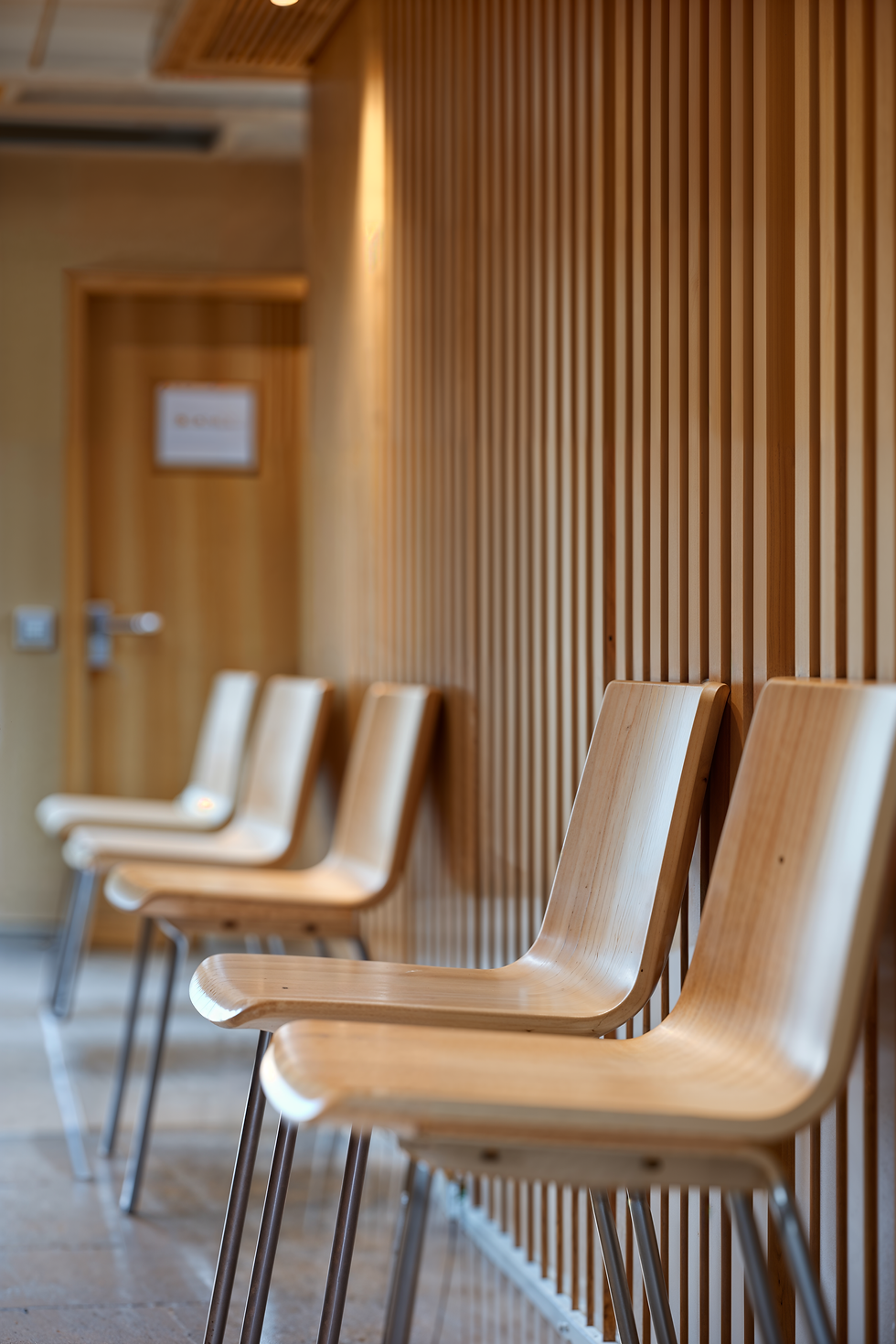
Slat patterns create a strong sense of direction and proportion. They’re widely used when you want linear order, rhythm, and a warm architectural timber presence.
Explore Slat systems: https://www.artiem.com.au/systems-slat-acoustic-timber-panels
Best suited to:
corridors and long sightlines
workplace and civic spaces
designs where alignment and linear geometry are central
Artiem Slot System — controlled linear expression with a clean technical edge

Slot patterns keep the visual language linear, but with a sharper, more technical expression. They’re a good option when the architecture calls for precise lines and controlled repetition.
Explore Slot systems: https://www.artiem.com.au/systems-slot-acoustic-panels
Artiem Groove System — subtle depth and shadow without heavy graphics

Groove patterns sit between “solid calm” and “graphic pattern.” They add depth and shadow while keeping the surface premium and understated.
Explore Groove systems: https://www.artiem.com.au/artiem-systems-groove-acoustic-panels
Artiem Solid System — when you want the material to lead, not the pattern

Solid panels are the choice when the design intent is all about material tone and quiet surfaces. It’s often the right call when the space already has enough visual complexity.
Explore Solid systems: https://www.artiem.com.au/systems-solid-panels
Artiem Plywood System — a substrate pathway when you need a stable, spec-friendly base

Plywood can be a strong substrate option when you want a stable, spec-friendly base while keeping the front-face design flexible. In our system approach, Plywood acts as a platform: you can align on the substrate first, then apply the pattern direction—micro-perforation, perforation, slat, slot, groove, or solid—based on design intent.
Explore the Plywood pathway here: https://www.artiem.com.au/artiem-system-plywood-acoustic-panels
If you’re still selecting the pattern family, start from the Systems hub: https://www.artiem.com.au/systems
A simple selection workflow (finish → pattern → documentation)
When you’re deciding quickly, use this sequence:
Finish direction: tone + grain feel (match the interior palette)
Pattern intent: micro texture vs graphic pattern vs linear rhythm
Documentation: request what you need for specification and approvals
Public brochures + request-only packs are available here: https://www.artiem.com.au/technical-resources
Next step — align your system page and request documentation when ready
If you already know your direction, jump straight to the Systems hub and choose the closest pattern family: https://www.artiem.com.au/systems
When you’re ready to move forward, use Technical Resources to access public brochures and request Spec/Fire Packs (request-only): https://www.artiem.com.au/technical-resources


Comments